AM vs RF DIFFERENCES
0. INTRODUCTION: THREE SYSTEM TYPES
There are three primary types of EAS systems in circulation:
- AM — Acousto-Magnetic (58 kHz).
- RF — Radio Frequency (8.2 MHz).
- EM — Electromagnetic.
EM (Electromagnetic) systems are effectively DEAD.
Development of new models has ceased entirely.
Only one manufacturer, CERTUS, remains.
Active production by other companies was terminated years ago due to several factors:
- Critically high power consumption.
- Low detection rates (poor performance).
- Complex tag selection (varying lengths, widths, alloys).
- Collapse of tag production and quality standards.
However, as of 2021, RFID implementation has accelerated. This is an entirely different technology covered in a separate brief.
Rest assured... AM and RF systems will remain the standard for mid-tier retail chains and independent stores for a long time to come.
Moving on... AM vs RF...
CHAPTER 1. THEORETICAL MINIMUM
The fundamental rule: these systems utilize THREE entirely different physical principles to detect a tag.
P.S. Apologies in advance for the autofocus glitches — filming and prep demanded maximum energy in field conditions.
>> VIDEO NAVIGATION (TIMESTAMPS):

CHAPTER 2. SOFT TAGS (LABELS)
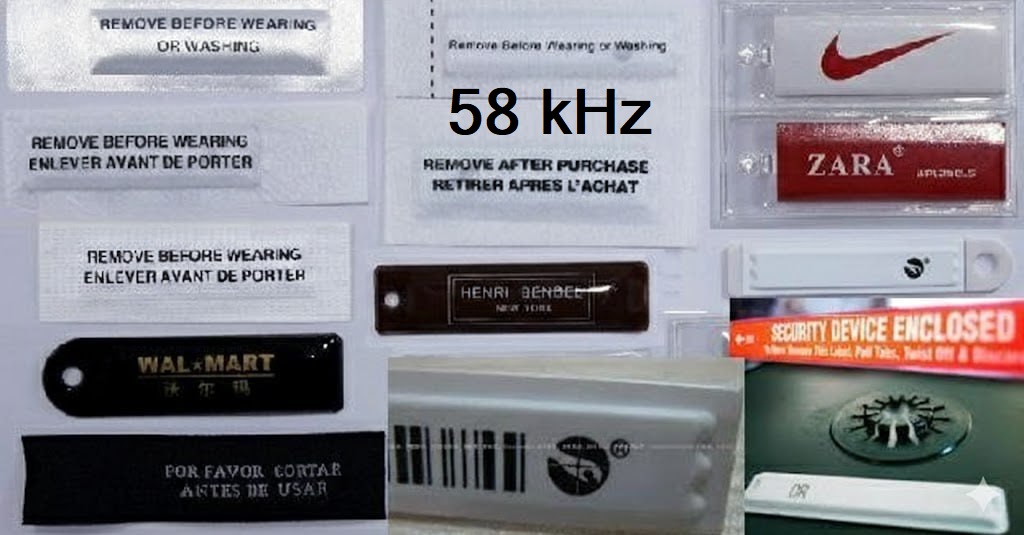
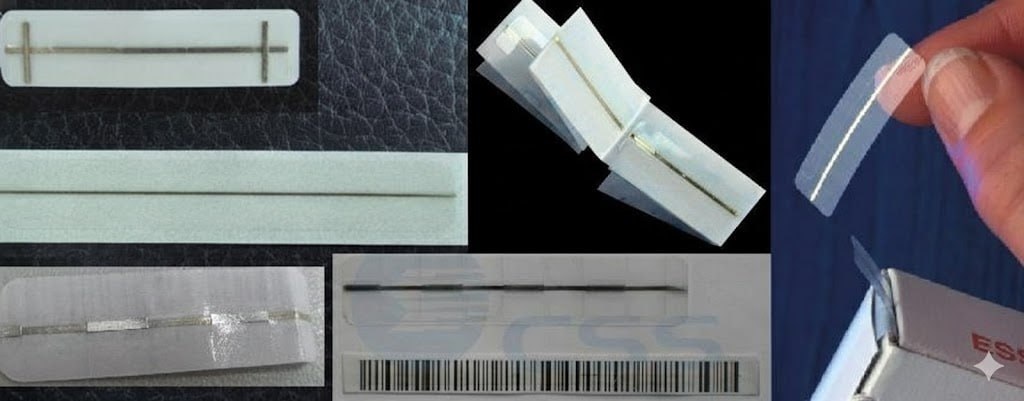
Adhesive labels are the fastest way to identify the system type. The visual disparity is massive.
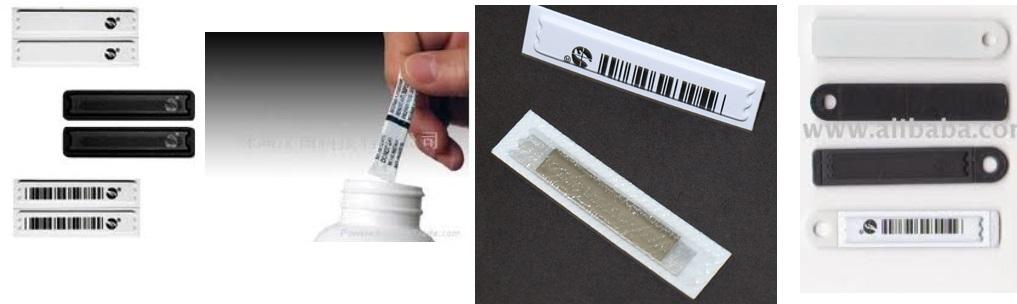
1. AM Label Characteristics
If these signs are present, it is 100% an AM System:
- PLASTIC ONLY! (Hard casing).
- 3D / Convex (1-2 mm thick, never flat like paper).
- Standardized size: 4 cm length, 1 cm width.
- Internals: Two dense metallic strips.
- Color: Usually white with a dummy barcode, rarely black or grey.
2. RF Label Characteristics
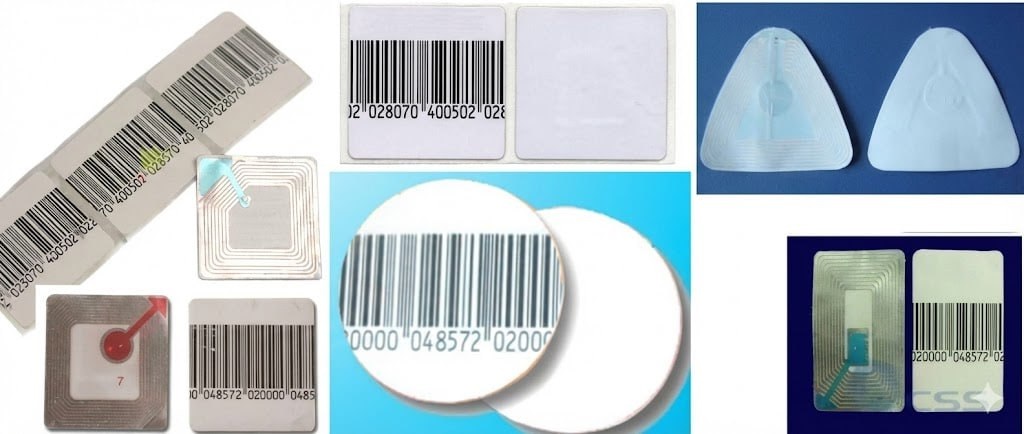
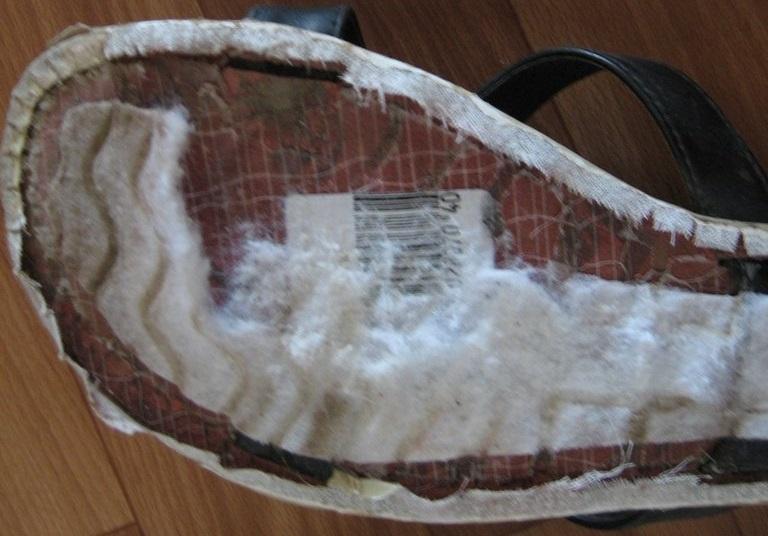
If these signs are present, it is an RF System:
- Paper-based or film-based.
- Flat, like standard tape or a sticker.
- Shape: Usually Square (4x4 cm), rarely circular.
- Backlit view reveals a foil spiral antenna.
- Extremely vulnerable to tears and cuts (a broken circuit = a dead tag).
3. EM Label Characteristics (Rare)
- Paper, occasionally transparent film with a metallic thread.
- Always elongated (strips).
- Internals: Ultra-thin filament strip + rectangles.

CHAPTER 3. HARD TAGS
More complex, as casings can be deceptive. Look for these key differentiators.
AM Hard Tags
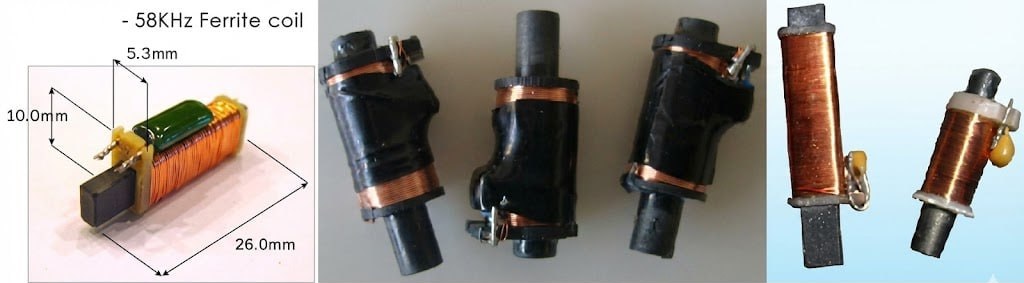
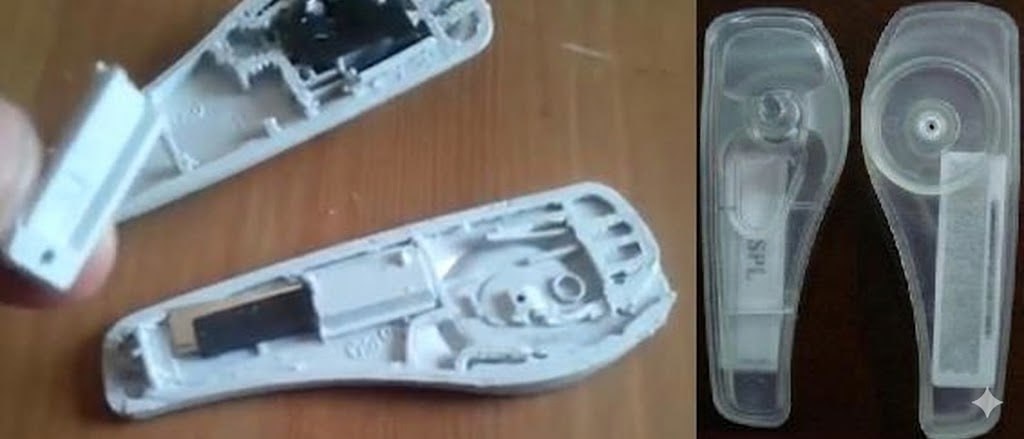
Always contain a Ferrite core (heavy) or two plates (SuperTag).
SuperTag: Any tags opened by a mechanical hook (featuring a side-entry hole rather than a standard magnetic lock).
- Note: Chinese manufacturers produce RF SuperTag knock-offs, but they are rare and usually shortened.
Pencil Tag / Ultra Tag: Elongated "pencil" shapes. If it bears the Sensormatic logo, it is 100% AM.
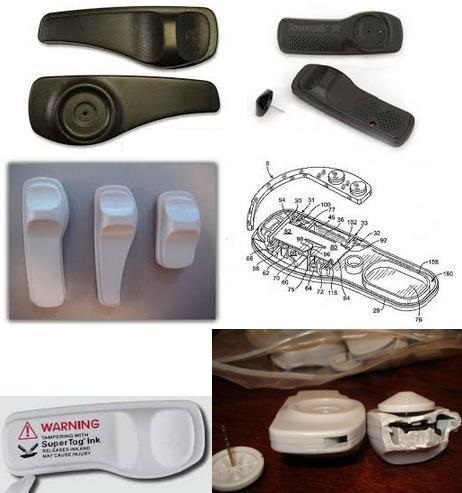
Bottle Tags: Feature a characteristic protrusion near the lock to house the ferrite core.

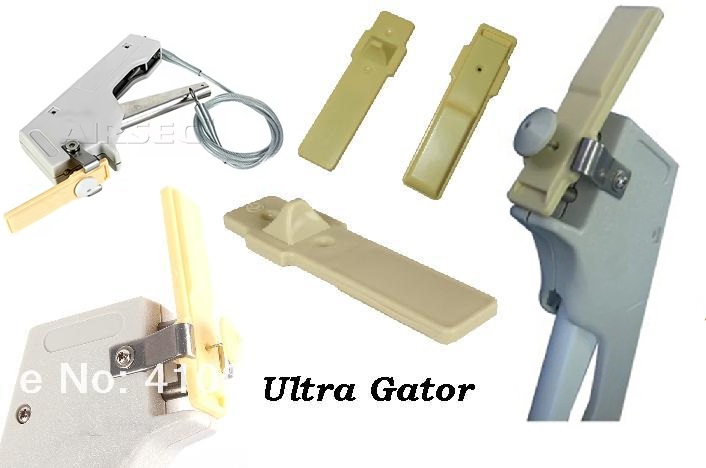
Ultra Gator: Opened via a clamp-style detacher. Used in AM or rarely EM.
RF Hard Tags
Always contain a Spiral Coil. They are significantly lighter than AM tags.
Square / Flat Tags: Standard. Used EXCLUSIVELY in RF. (EM equivalents are virtually non-existent).
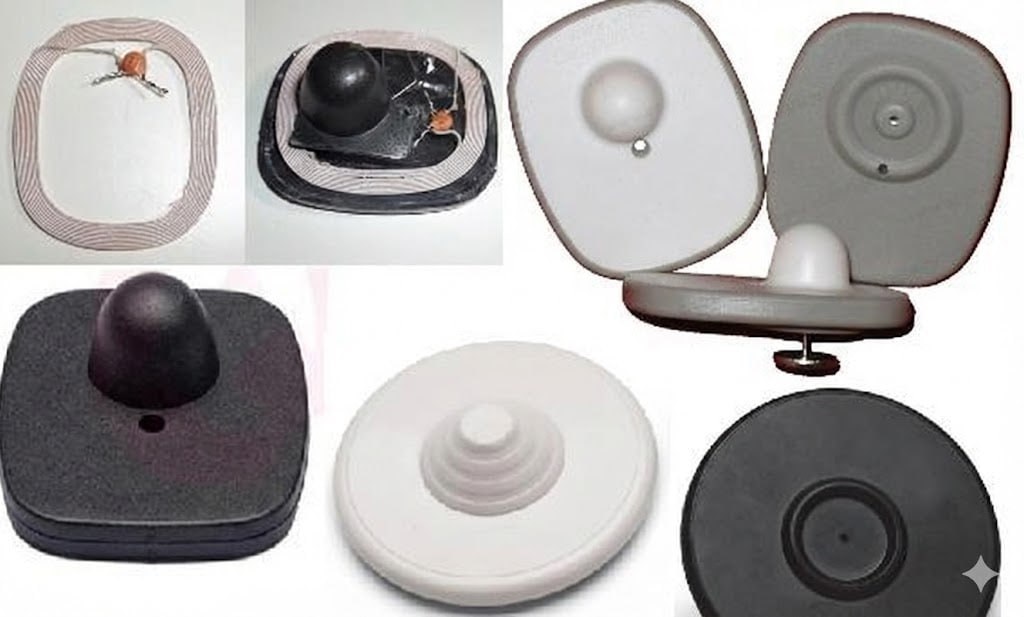
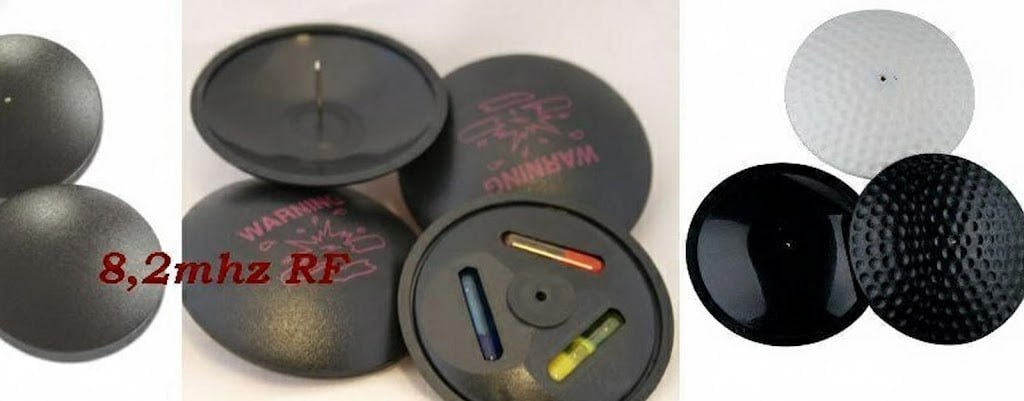
Clamshells / Golf Tags / Turtles: Circular tags. AM versions exist, but 90% are RF.
- Hack: Shake the tag. AM with ferrite sounds dull and feels heavier. RF is light.
Conical Tags: These tiny casings only have room for a lock and a wound RF coil. 100% RF.
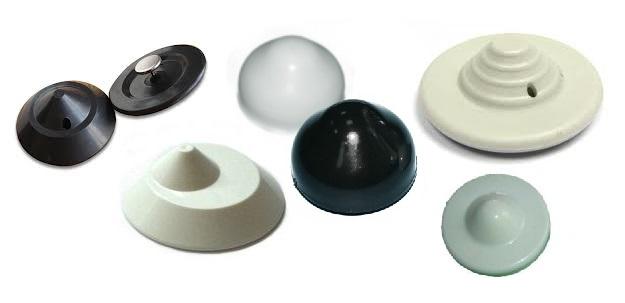
RF Bottle Tags: Feature a square or circular expansion for the coil (unlike the specific protrusion on AM versions).
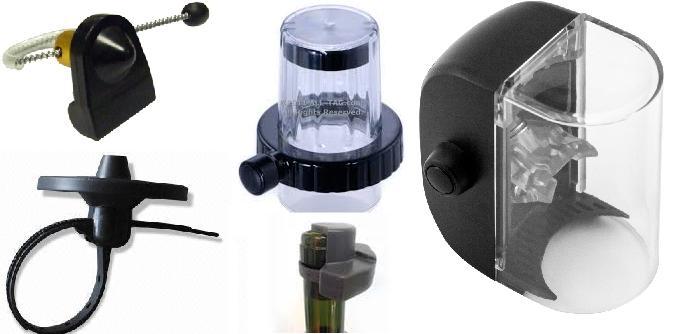
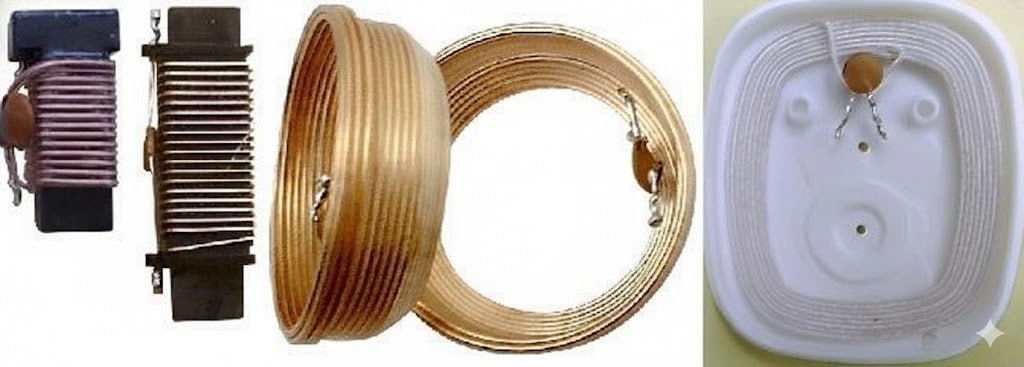
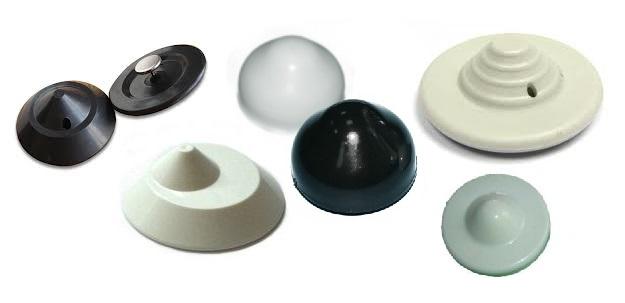
Universal Tags ("Spiders")
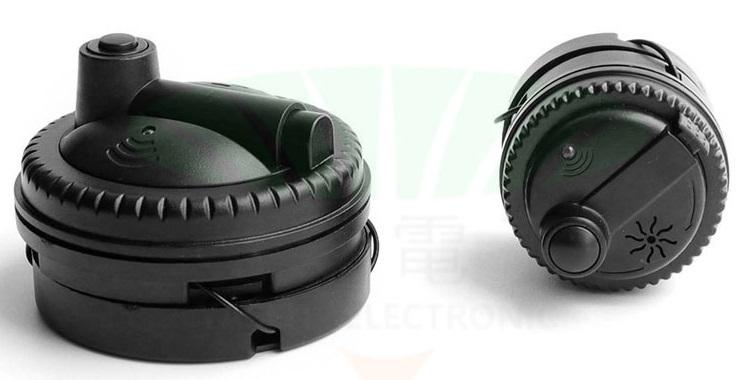
🕸️ ALPHA SPIDER WRAPS
Specialized S3 Hard Tags featuring 2-Alarm or 3-Alarm technology.
- Large "spiders" often contain both tag types (AM and RF).
- Small "spiders" contain only one. Often marked "AM" or "RF" on the back.
- If the tag emits its own alarm in response to the gate's field, it is 3-Alarm technology.
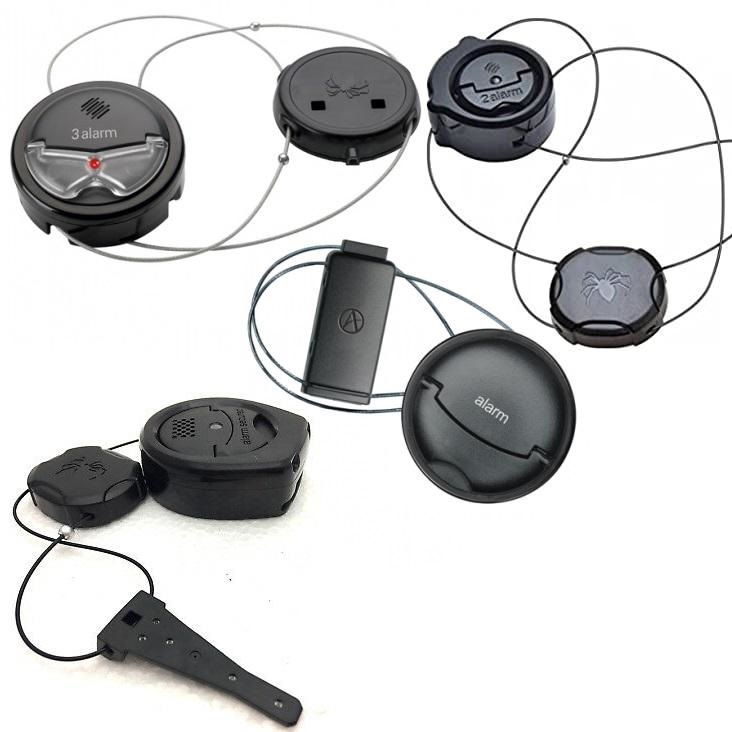
TYPICAL SPIDER WRAPS
Standardized S3 Hard Tags with 2-Alarm or 3-Alarm circuitry.
- Large wraps often house dual-frequency elements (AM and RF).
- Smaller wraps usually favor one; check for "AM" or "RF" engravings.
- 3-Alarm tags activate an internal siren when triggered by gate emissions.
CHAPTER 4. GATES (ANTENNAS)
How to identify gates covered by advertising?
- Check the top view: Cardboard sleeves often leave the top exposed. Mimic taking a photo of the store while holding your phone high; seeing the internal top section can often confirm the type.
- Search for LEDs: Advertisements usually have cutouts for indicator lights. Their placement reveals the model.
- ❕ The Base: Even a single visible bolt or the shape of the pedestal's "foot" can identify the manufacturer (Sensormatic has distinct bases, as do other brands).
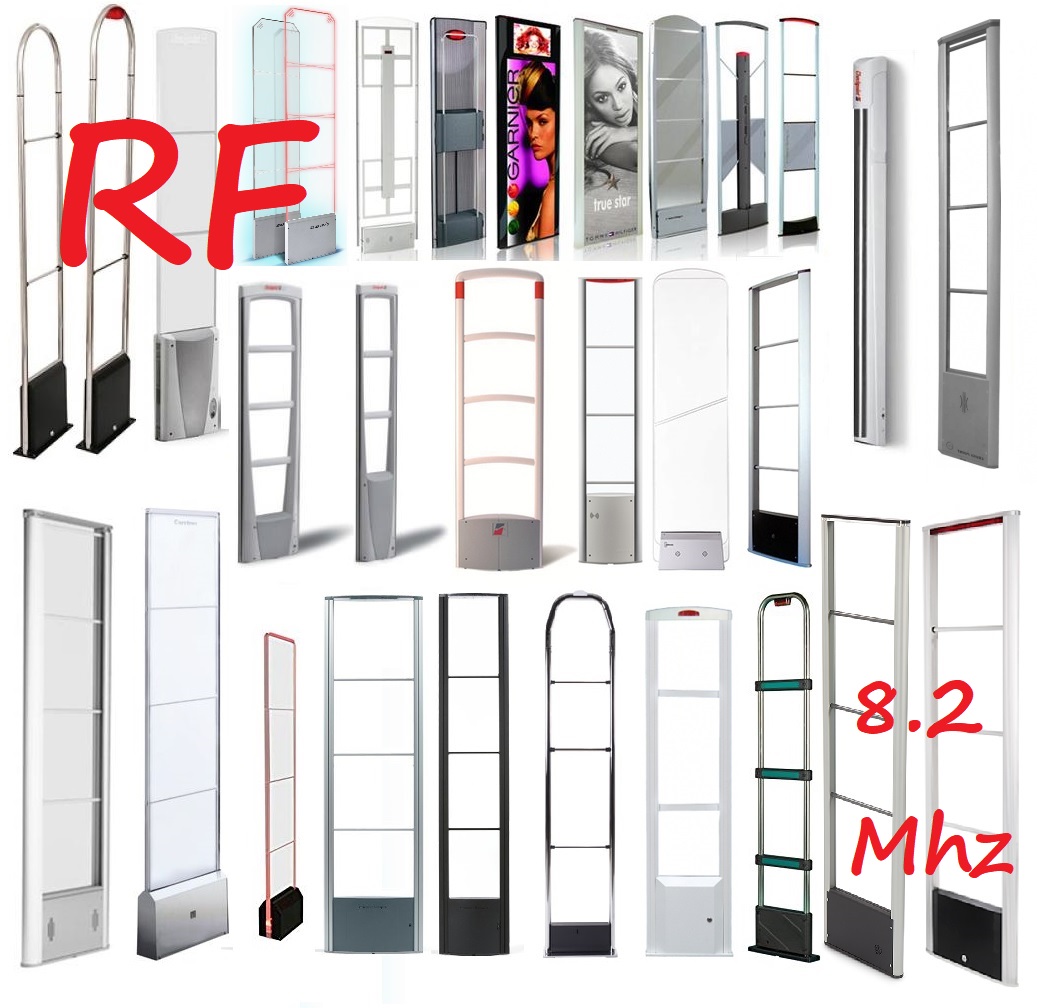
For detailed study, use our extensive visual database:
Key Players
- Sensormatic (Tyco) — The creator and monopolist of AM technology. If you see this logo (Anti-Theft system), it is AM.
- Checkpoint and NEDAP — Leaders in the RF market. They produce exclusively RF (or RFID ceiling systems/integrated gate blocks). Unique, distinct designs intended to stand out.
Mixed Brands (produce both): Gateway, CrossPoint, Amersec, ShopGuard. Identification requires inspecting the antenna architecture.
PRIMARY VISUAL HACK
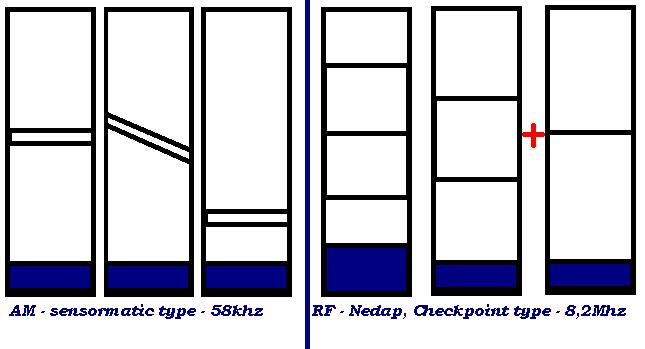
Inspect the antenna construction (internal crossbars or loops).
RF SYSTEMS
Feature 2, 3, or 4 horizontal crossbars/loops distributed EVENLY by height. These are "figure-eight" loops made of thin wires. If the gate has almost invisible wires in transparent plastic, it is definitely RF.
AM SYSTEMS
Usually feature 1 or 2 massive wire coils. Due to AM physics, these must overlap slightly, appearing as 2 horizontal blocks in the center or slightly offset toward the bottom.
AM crossbars are always thicker; AM coils within the antennas require significantly more wire turns, making them bulkier.
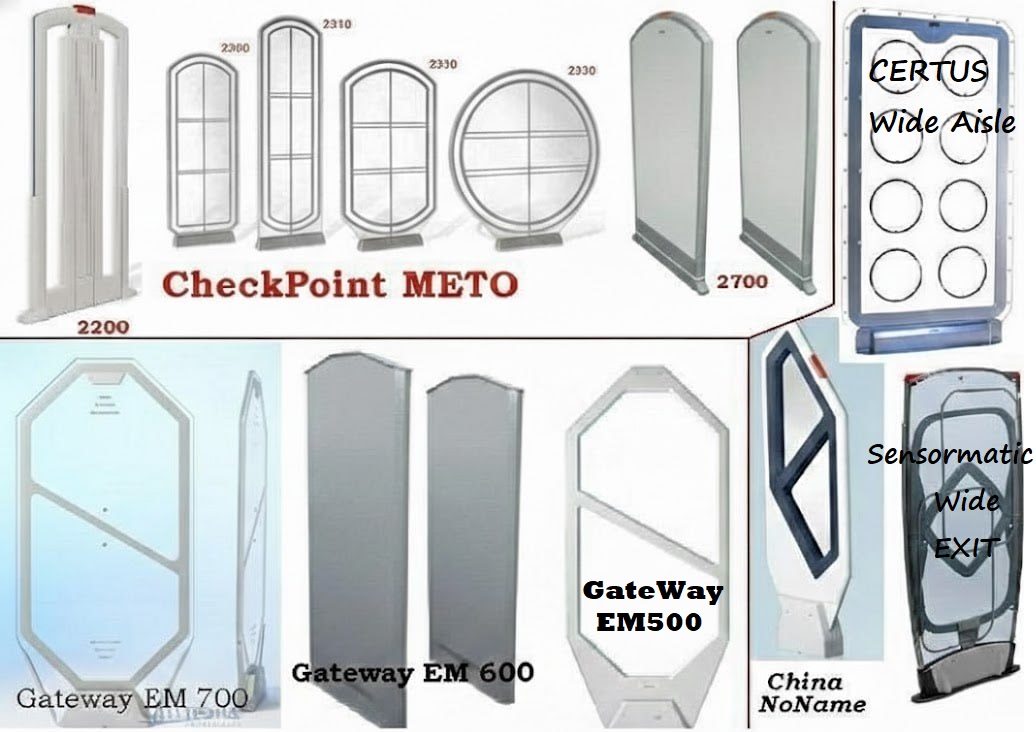
About EM Gates (Rare): These are never narrow. They are always massive panels at least 45 cm wide, often "solid" (glass or thick plastic containing numerous internal coils). They are incredibly rare now; only CERTUS continues production. You cannot mistake them for anything else due to their width, branding, and the distinct 8-ring pattern inside the antenna. See the photo below.
FINAL SUMMARY
With this intelligence, you can identify the system before even entering the store.
Tags on merchandise: See a SuperTag? -> It's AM. See a flat square? -> It's RF.
Labels: Convex plastic? -> AM. Paper sticker? -> RF.
Gates: Sensormatic logo? -> AM. "Figure-eight" loops? -> RF.
OPERATOR TIP
If you find no labels, the tags look unusual ("clamshells"), and the gates are covered by ads—inspect the POS (Checkout) zone.
Checkout deactivators also differ. An AM deactivator is usually a plastic "box" or an integrated pad that emits a loud click. An RF deactivator is a large, flat panel (often glass) that beeps upon deactivation.
Alternatively, purchase a detector tag to accompany your jammer. It will identify an active AM system instantly. If the detector doesn't light up, you are facing either an RF system or a deactivated AM system. EM is impossible to mistake due to its massive panel width.