EAS Gate Detector
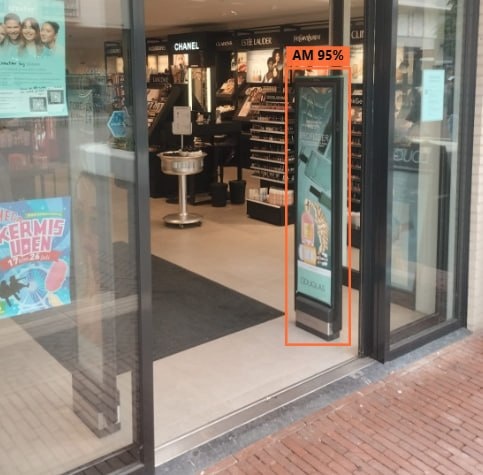
The Core Idea
Right now, using my base of about 1,000 photos, the neural network is already pretty good at distinguishing basic technologies (AM and RF) on clear, good-quality shots. But to push this to perfection - so you never have to guess "what's standing there?" and can just pull out your phone - the model needs more real-world data. We initially need around 15k photos, which is just 100 people taking 150 photos each.
Ultimately, the service should learn to instantly recognize manufacturers, specific models, and spot hidden ceiling systems. Later on, we might add recognition for the tags themselves (hard tags, spider wraps, magnets, alarms, whatever you call them), but that's a separate project and another story; just sharing ideas for now.
Beautiful studio photos are great, but I need photos from real life. A good neural network must digest retail chaos, glass glare, and shots taken on the run.
BUT!!! Normal, high-quality photos are needed too. Usually, people send me photos that are poorly taken, without even understanding "what needs to be shot," sending a picture of just a piece of a gate or from a completely wrong angle.
Ideal photos are required so the neural network knows the ground truth and what the equipment actually looks like.
Important! If you roughly know which gates are the most common, try looking for rare ones that might be widespread only in your country. We already have plenty of the standard Sensormatic and Checkpoint gates (though we still need them, we'll just sort them into folders by model later).
Important! Important! We highly need additional metal detectors, RFID gates, and ceiling RFID systems.
What Exactly to Photograph
The Gates Themselves
AM, RF, RFID, hybrid, old, new, with ads or without, full or partially visible.
Entrance Zones
View from the street, from inside the store, mall hallways where these gates are installed.
Checkouts
Exits past cash registers and narrow aisles where the pedestals are clearly visible.
Add-ons & Rarities
Additional metal detector frames next to the main ones, ceiling panels, blocks hidden in doors.
Stores WITHOUT Gates
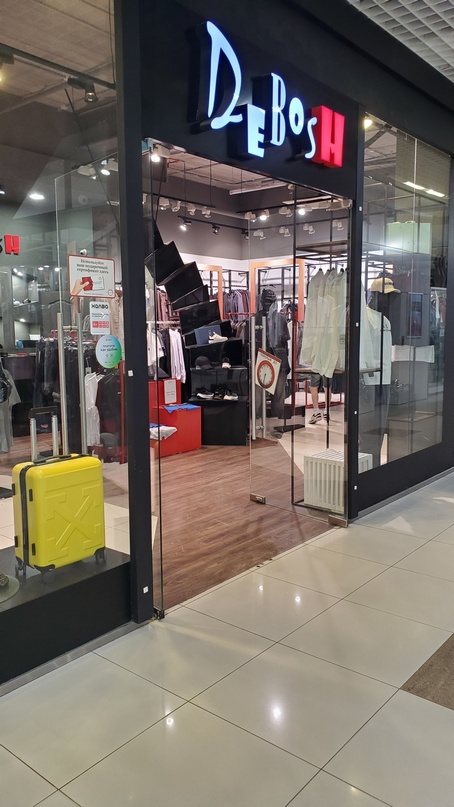
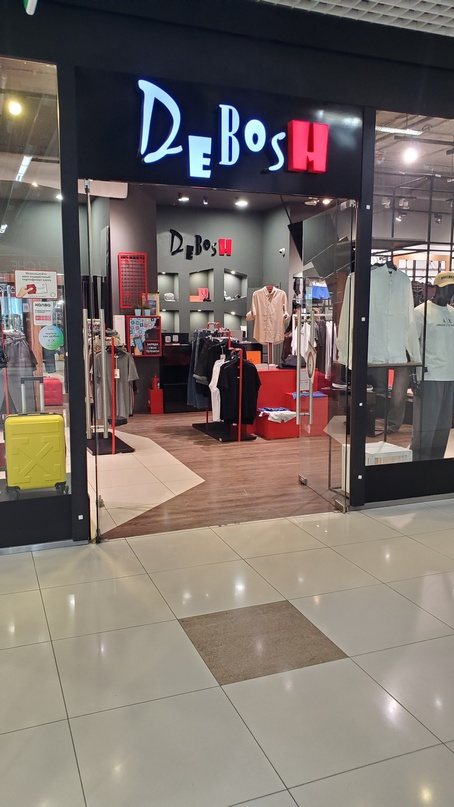
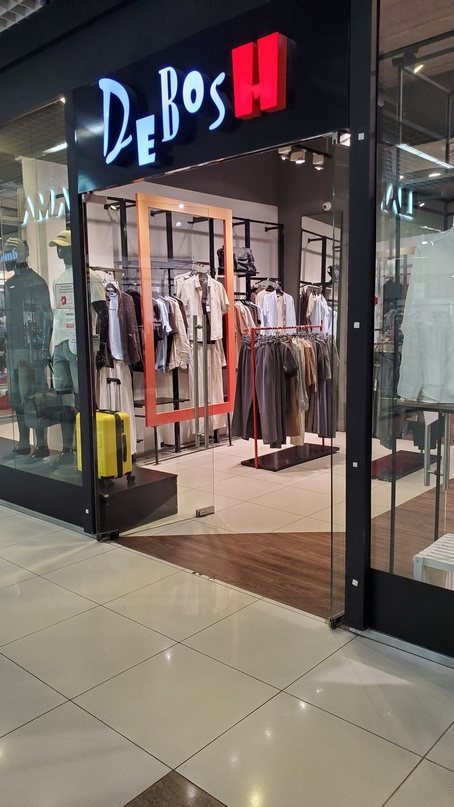
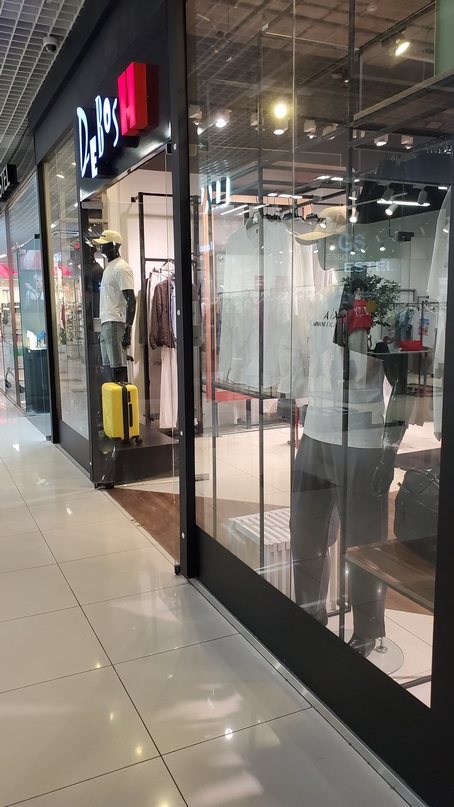
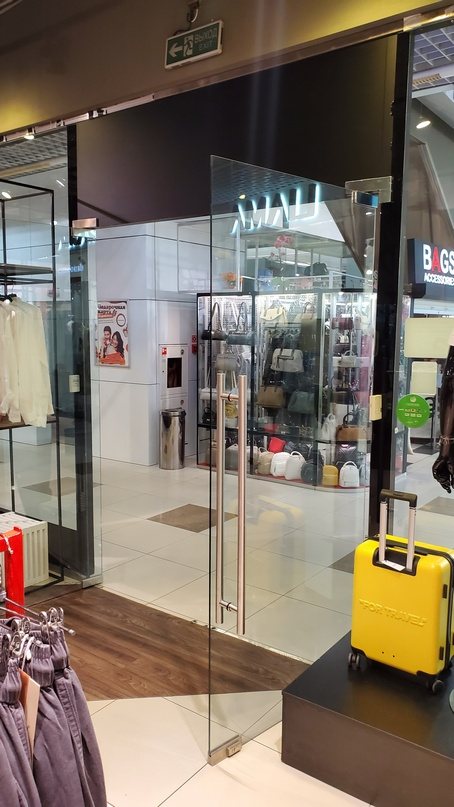
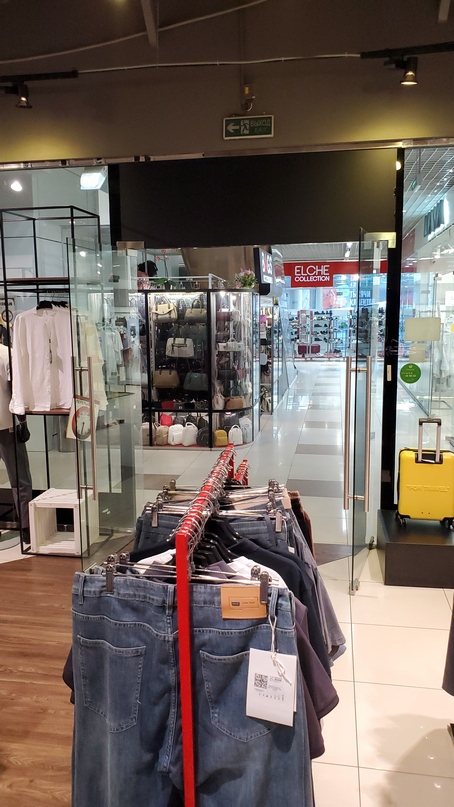
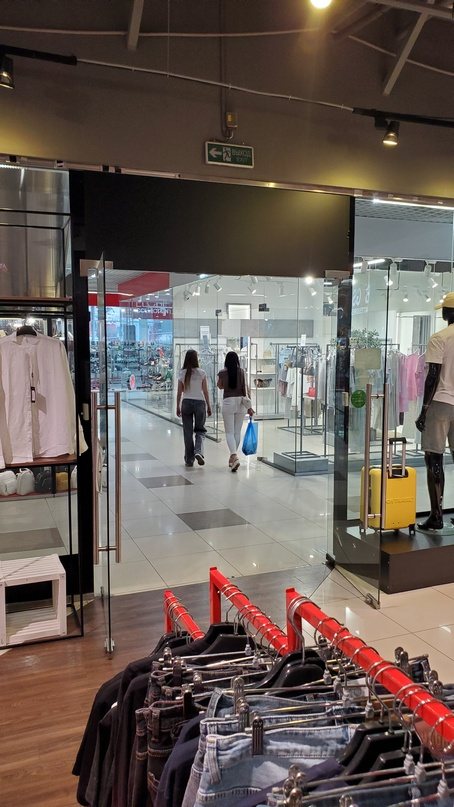
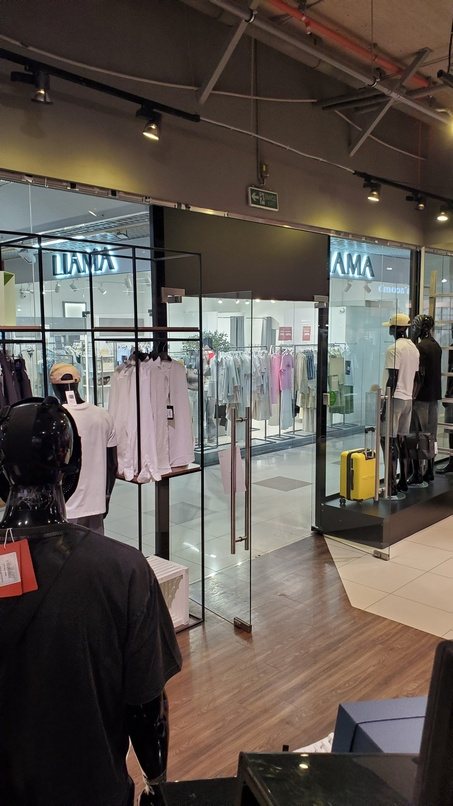
Entrances where there are absolutely NO frames! The AI needs to be shown empty doors so it doesn't hallucinate gates where there are none.
Crappy Quality
Clear, blurry, from afar, through dirty glass. We are training the AI on the exact type of photos people usually send - shot "on the go from a pocket."
How to Shoot Best
Take multiple angles of one store: street view, inside, straight on, from the side. Details matter too.
Shoot as if you are sending this photo to a live expert, so they can use their brain and experience to recognize the system in the frame.
CRITICAL: The built-in camera inside Telegram heavily distorts proportions! Take photos with your phone's standard camera app, and then send them to the messenger.
If security forbids taking photos or it causes a conflict - forget it and move on. Your safety is more important than one photo.
Sample Shots
👍 Great examples: gates are in the frame
Wide shots and different angles. Side views, glass reflections, mannequins in the background - this is all perfect training material.
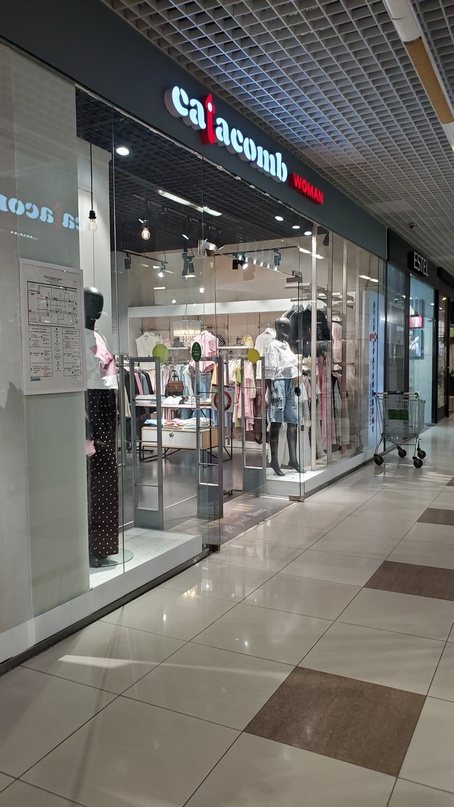
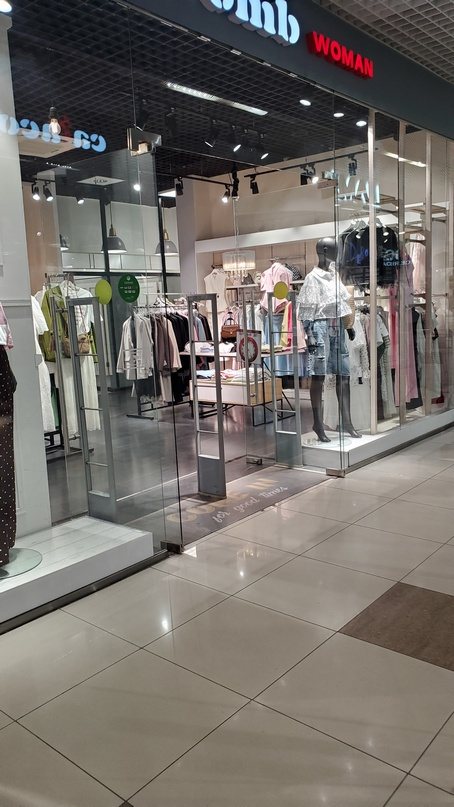
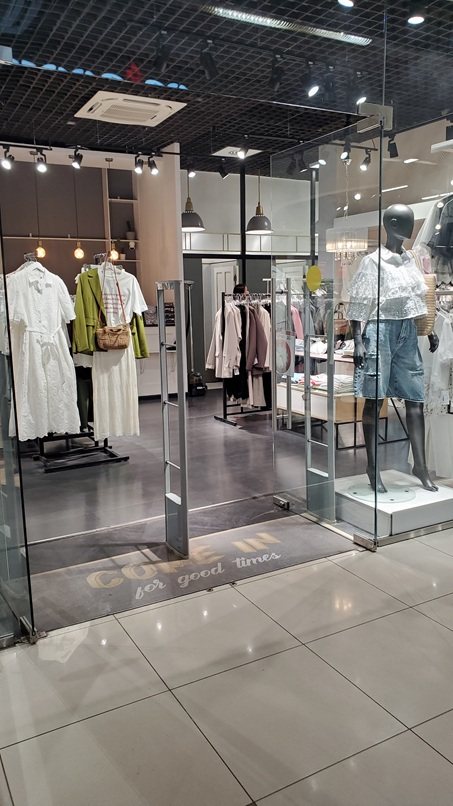
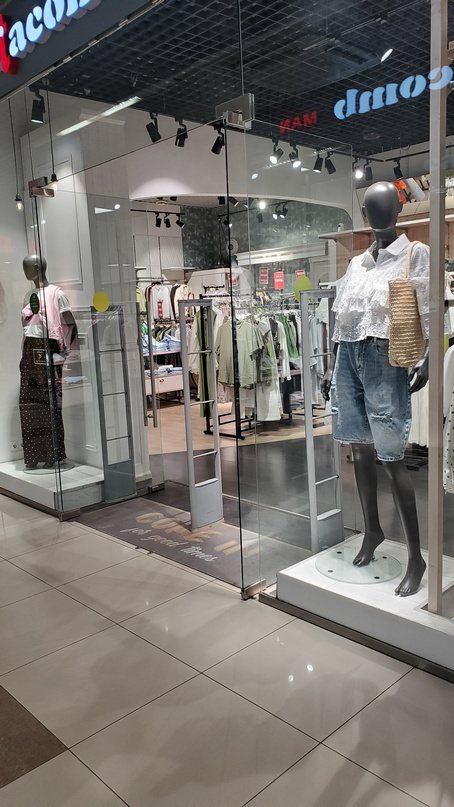
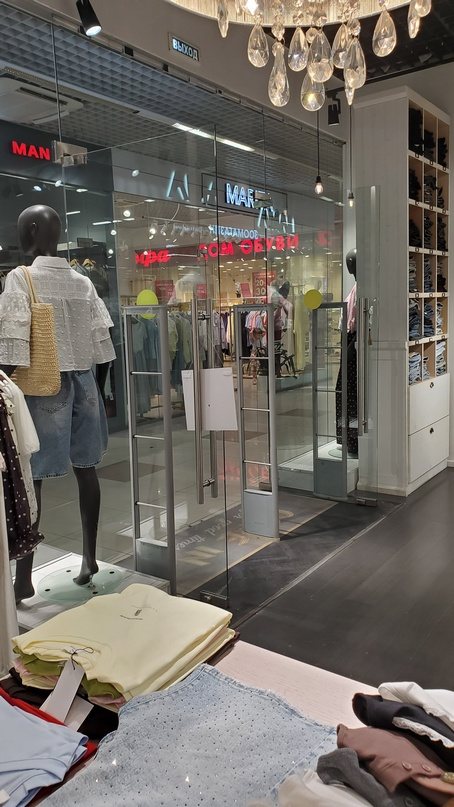
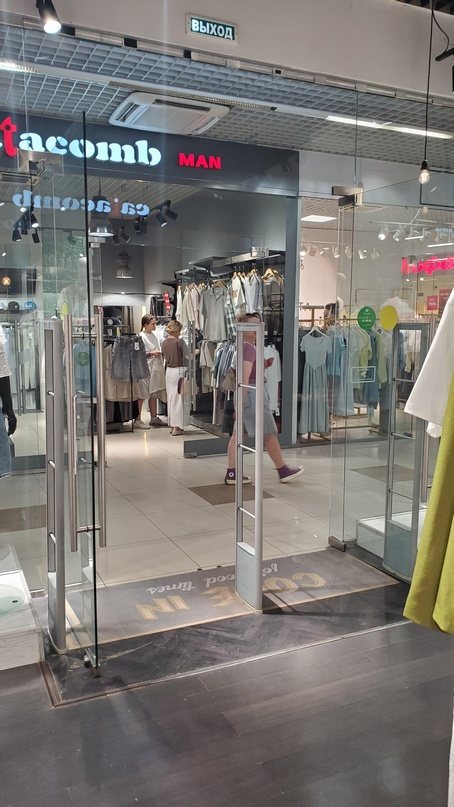
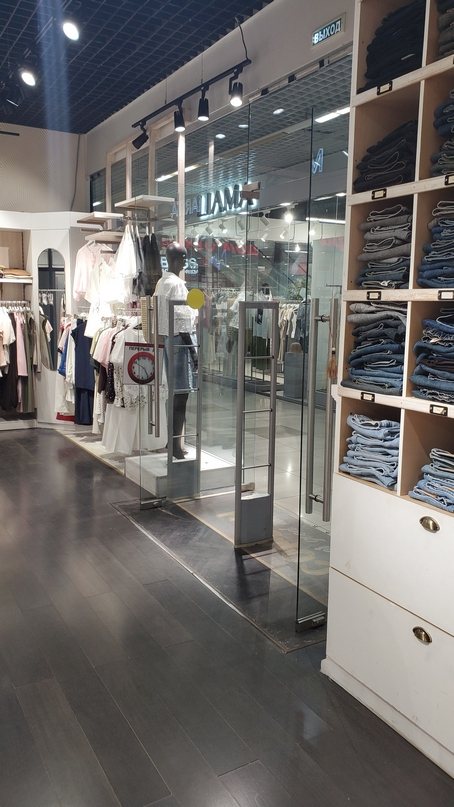
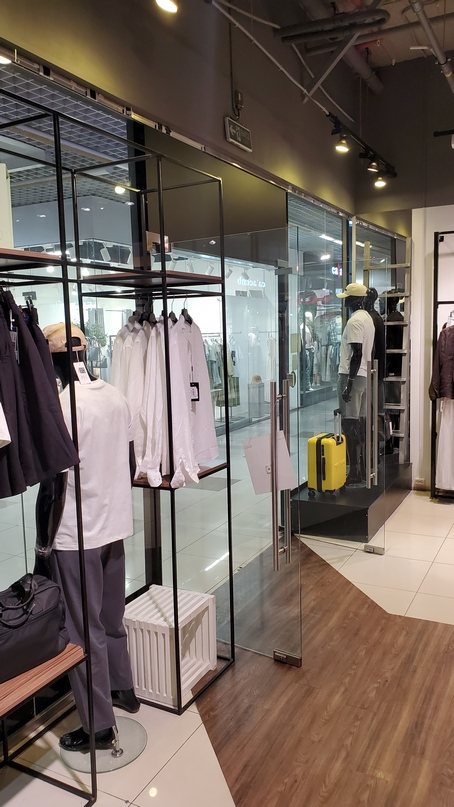
🛑 Also highly needed: entrances WITHOUT gates
These aren't "empty" shots; they are crucial examples so the algorithm can confidently answer: "It's clear here, no gates."
Respect, Glory, and Perks
The bot is already keeping track of who sent how many useful photos. The best and most active helpers will get our respect, be listed as dataset co-authors, and whenever possible, I will send real gifts: hardware from our site. If you're short on cash but have plenty of free time, this is your chance to jump into a cool project.
Call for Coders and Data Miners 💻
If there are savvy folks reading this who REALLY know how to scrape photos from Google/Yandex Maps (street panoramas, review photos, store listings) - I'd be extremely glad for the help!
Our current model can already detect gates in frames on the fly. We just lack a smart method for automatically scraping these images from the web so we can plug your scraper into our loop: download store photo ➔ model checks it ➔ if gates are found, save to database. If you know how to scrape such images, or if you have ready-made retail datasets lying around - hit me up!